
Shock experiences – how do we meet them?
Heidi writes
What happens when we have an accident, with the car or falling from a horse? In this meeting we share our recent or old experiences of crucial moments of this sort, how it felt, how we responded to them, what we have learned etc. Maybe it was logical that we arrived at the topic death and how people we know have died and what we believe our own death could be like. We ended with positive tone: Humor and seeing ourselves and the situations from far far above takes away the oppressing seriousness and the fear, our common experience from similar situations
The conversations took place in January, 2026
### Summary of Video Content
This video presents a reflective group conversation among several participants sharing personal updates, experiences with accidents and trauma, and insights on coping mechanisms, particularly shock and existential challenges. The dialogue touches on emotional resilience, physical responses to trauma, and the role of humor and calmness in overcoming fear and distress. The content is primarily anecdotal, with participants exchanging stories, emotional reactions, and philosophical reflections on life, death, and recovery.
—
### Key Themes and Insights
– **Time perception and personal updates**:
Participants briefly discussed how quickly time passes and shared personal life updates, such as weather conditions, health, recent travels, and creative pursuits (e.g., poetry writing, plans to visit family).
– **Accident and shock experiences**:
– One participant (Gertrud) described a recent car accident resulting in no physical fractures but significant shock, pain, and emotional distress. She utilized “instant change” sessions to manage trauma and reflected on unresolved grief linked to her brother’s death 50 years ago.
– Other participants shared past traumatic experiences involving car accidents, horse riding falls, and near-drowning incidents, highlighting a common theme of an immediate **calm or dissociative response following an initial scream or shock**.
– The physiological explanation provided suggests that during trauma or crisis, the body enters a **”tunnel” state enabling survival-focused decisiveness**, followed by a delayed physical and emotional crash once the peak has passed.
– **Coping mechanisms with trauma and shock**:
– Deep breathing and vocal release (screaming) were described as helpful immediate responses to trauma.
– The use of therapeutic practices like energy work and grief processing (“white diamond” grief process) was mentioned as beneficial in dealing with trauma’s emotional aftermath.
– Several participants noted a profound calmness in the face of danger or existential crisis, sometimes linked to a **sense of detachment or soul fragmentation**, which therapy can address by reintegrating lost emotional parts.
– The existential calm experienced during life-threatening illness (viral encephalitis) or near-death situations was described as a powerful moment of peace and acceptance.
– **Existential reflections on death and fear**:
– Fear of death was largely attributed to **uncertainty about timing and circumstances**, rather than the experience of dying itself.
– The concept of a “happy death” characterized by calmness and acceptance was discussed, with examples contrasting different family members’ dying experiences.
– Humor and laughter were proposed as tools to face fear and anxiety, with participants endorsing the use of **black humor and exaggeration techniques** to reduce the emotional charge of fear-inducing thoughts.
– **Survival instincts and innate responses**:
– Stories of children and adults instinctively doggy-paddling or reacting calmly during near-drowning or accidents suggest an **innate survival mechanism** that may be diminished but can resurface in emergencies.
– Some cultural references discussed include Australian children being taught to swim by being thrown into water, a method emphasizing natural survival reflexes.
– **Emotional control and paradoxical reactions**:
– One participant noted a paradoxical emotional response—remaining extremely calm during large crises but reacting strongly to minor, controllable irritations (e.g., breaking a teacup or choosing the right onion).
– This was theorized as a psychological coping mechanism where **control over small things substitutes for the inability to influence larger existential threats**.
– **Suggested future topics and techniques**:
– The group proposed exploring **practical exercises to manage adrenaline, increase oxytocin and endorphins**, aimed at reducing tension and promoting emotional recovery.
– These exercises reportedly take about five minutes and could provide practical coping tools for trauma and stress management.
—
### Timeline Table of Key Events and Topics
| Time (min) | Topic/Content | Key Points |
|————|—————————————————-|——————————————————————————————————|
| 0:00-2:30 | Personal check-ins and weather updates | Participants share current weather and personal plans; reflections on time perception |
| 2:30-7:30 | Gertrud’s car accident and emotional aftermath | Description of accident, shock symptoms, therapeutic sessions, grief related to brother’s death |
| 7:30-12:30 | Discussion of accident causes and insurance process | Details on accident circumstances (gravel, loss of control); insurance handling |
| 12:30-20:00| Various personal accident stories | Horse riding falls, skiing accident, experiences of calmness and shock; soul fragmentation insight |
| 20:00-25:00| Emotional reactions and coping with trauma | Calmness during crisis vs. triggered reactions to small irritations; psychological control mechanisms |
| 25:00-33:00| Survival instincts and childhood experiences | Near-drowning story, instinctive doggy paddle, swimming teaching methods |
| 33:00-39:00| Near-death illness experience and peace | Viral encephalitis diagnosis, moment of calm and acceptance, professional first responder experience |
| 39:00-45:00| Reflections on death and dying | Fear of death related to uncertainty; descriptions of peaceful vs. fearful deaths |
| 45:00-51:00| Humor as a coping tool and closing remarks | Use of black humor, laughter to reduce fear; planned future sessions on physiological coping exercises|
—
### Definitions and Concepts Table
| Term/Concept | Definition/Explanation |
|————————–|————————————————————————————————————-|
| Instant Change Sessions | Therapeutic sessions aimed at rapidly releasing shock, pain, and emotional tension following trauma |
| White Diamond Grief Process | A grief processing method used in the group context to work through loss and emotional pain |
| Soul Fragmentation | Psychological concept where parts of the self dissociate or leave due to trauma, requiring reintegration |
| Existential Calm | A profound peace and detachment experienced in life-threatening or deeply stressful situations |
| Black Humor | A type of humor that treats serious, frightening, or taboo subjects with levity to reduce fear and anxiety |
| Adrenaline, Oxytocin, Endorphins | Key biochemicals involved in stress response, bonding, and pain relief, targeted in coping exercises |
—
### Key Quotes and Takeaways
– **“The shock kicks in, but then there’s a calmness — it’s like the body’s survival mechanism.”**
– **“Laughing at what scares us can change how we experience fear.”**
– **“Fear of death comes from not knowing when or how, not from death itself.”**
– **“There’s an innate survival instinct we can tap into, even if it feels lost.”**
– **“Sometimes we control the small things because the big things are beyond our control.”**
—
### Conclusion
This video offers a rich, candid exploration of how individuals experience and cope with trauma, shock, and existential fears. The participants emphasize the importance of physiological and psychological responses, the potential for therapeutic interventions, and the role of humor and calmness in healing. The discussion highlights the complexity of human resilience and the varied ways people find meaning and peace amid crisis and uncertainty. The group also plans to engage in practical exercises targeting biochemical pathways to aid recovery, underscoring a holistic approach to trauma care.
00:00:03
And we are already at the end of January 26. It’s it’s crazy how the time flies. We were before recording we were thinking or talking about the time >> perception. So that could also be a good topic for today if you want. >> And Charlie >> and Charlie. >> Okay. >> Whoever that is. Yeah. >> Charlie. Exactly. Let’s do a quick check in. I can start. Um, it was raining three days. It was cold before. Now it’s okay. I have the fire in the oven. And as I said, I’m for a
00:00:41
month now writing a poetry in English, learning a lot about English. And um I like it and um yeah, that’s the the the news. Marcus has gone back to England. I will go to see him next weekend and then he will come in during the year. So everything good. I give over to Mona. All right. In Vienna, we had fog in the morning and really miserable weather the last couple of days, but then the sun came out, so that was a really a great improvement. And yeah, I’m sort of in a limbo. It’s uh I don’t really know where to
00:01:34
turn or what to think. And I just prefer sitting down in my recliner and not thinking at all. That’s about the best way to pass time at present. And I do it continually. So it’s just Yeah. Well, I as I said, maybe I should hibernate and just come back in March. All right, I pass on to Gina. >> Thanks. Well, um, West Coasters, particularly in Canada, can be a little bit obnoxious, so I feel compelled to be so. We’ve had three days of heavy frost, which has closed our golf courses.
00:02:14
Meanwhile, in Toronto, 60 centimeters of snow on the east coast, snow. Most of Canada’s in a polar vortex, so like minus 55° C, you can’t go out. >> And we’re complaining that we can’t golf because of the frost. >> Oh, yes. And my irises are poking up. My can li poking up. And my my browneyed susans are still or Rebecca as you may know them are still blooming. So So are the cherry trees. So, this is why we live here and not the rest of Canada. I have lived across Canada. Um, but it’s
00:02:49
it’s a feeling of great gratitude. Uh, I I mean, I’ve lived with those snowbanks. I know what it’s like. Um, but I’m feeling pretty grateful for uh being in on the West Coast, having our health, and uh I’m I continue to be in love with our prime minister. So, um there you go. That’s it for me. I got it. >> Mhm. Um, since we last spoke last Thursday, I had an accident and car accident. I was kind of into the fields and um ambulance and yeah, so x-ray ultrasound but nothing broken or
00:03:43
or injured. Um but like the whole lower body is because it was >> kind of Yeah. >> Um you >> Yeah. And um I was really in a shock. So I can tell that I knew the policeman was there and I don’t know exactly what I told him. So it was kind of I knew h what happened but I don’t know if my words came and I was shaking and yeah everything that you know about um and then yeah most of the time I was in bed but I get some instant change um sessions the one like to get all the shock out
00:04:34
and the pain and the the cramping and and this made possible that I could uh be um moderator in in the breakouts for the we had weekend training. So So I was lying down in the morning and then being there for the afternoon. It was good. And yesterday I had this like um flashback or so something from a from the shock. It was nausea and and dizziness and all kinds of stuff and I really felt like how am I going to do the afternoon? And then I got another another session instant change session and it was kind of white dark or black
00:05:29
and white. So all the the adrenaline was out and all the the Yeah. So, but the interesting thing was when I was having that that session, my brother was killed in a car in he was on the um motorcycle and the other one in a car and he was killed 50 years ago. And this roof came all up really like a like a big bubble. and the grief and everything. And I was just in the the We flow context before and we had this grief process called white diamond. And what I realized was that there a lot of things that I cherished
00:06:31
with him that I’m I’m I’m doing and it’s in my life like the ongo ongoing learning. So he had an IQ I don’t know 150s upwards and um and and yeah so the the love for contexts for new things for knowing things for understanding and then there was this like I had to damp my aliveness because he couldn’t fulfill his dreams. He had a big he had big dreams and um yeah I received that back so and to allow myself to to live to the fullest because he wouldn’t mind. It’s more myself. I Yeah. How can I if
00:07:32
he didn’t have the chance? So, I’m just coming out of this and that’s why I’m maybe a little bit more extended. But that was my my week, my last five days. And um >> so GR, how did it happen? Was it ice on the road or what was it? >> I don’t know. It was not icy like I couldn’t see any um but there was I was um yeah driving and all of a sudden it just a little bit on the outside in in I don’t know the right word for >> gravel >> the gravel right next to and then I
00:08:17
tried to come back and I couldn’t and then I tried a little bit harder and all of a sudden it took me over the road on the other side into the meadow. Yeah. And now I’m I’m just doing all with the insurance company and stuff like that. So >> to my life and that nothing else has happened is really >> Yeah. Yeah. When I was in the ambulance, you didn’t know. It could a vertebrae broken. It could be. But yeah, none of this happened. It’s just like cramping in the back and pain.
00:08:59
>> But uh and they put a lot of painkiller in the first three days like really a lot. Yeah. They said they they can cut to cut the the the pain so it doesn’t have a secondary uh cramping. >> Yeah. And now I’m reducing and it’s okay like like that. >> Oh, >> so that’s me. Asking Victoria, are you ready to check in? >> Hello. Yeah, I just got back. Thank you. Um, so sorry to hear uh Gertroud. What a terrible experience. Um, and I uh, yeah, I’ve I’ve been in three major accidents
00:09:54
where the car was totaled. And so I don’t drive anymore because it’s just um, I never liked driving anyway. I always hated it. I had maybe one day when I liked it my whole life, but I feel like So anyway, I just have a lot of compassion because I know um, I know how it’s Yeah, it’s I can just Anyway, I can just imagine. Um, so lots of empathy. Um, I I’ve uh I don’t know what I have to check in except that I’m struggling along as usual. Um, I’m I’m in a kind of um uh well, Mona will know
00:10:38
this. the uh Vienna or Austria’s eyes called jokingly the night gnosen shaft um because Switzerland’s called the Gnosen shaft. Um so I know we’re in English. Um, but the uh I I love snow so much and um all all the groups that I’m in on Zoom um except for this one um are they’re they’re all in the east coast of Canada or east coast of the United States where they have this huge amount of snow and I’m just filled with envy and so I’m struggling. I’m really struggling
00:11:18
because they keep sending me photographs and and being snowed in. And ironically, I had when I was there in October, I had planned to um go on an 8-day ignation spiritual retreat at this beautiful retreat center. It’s right on the coast of Massachusetts, just north of Boston in Gloucester. And um and the friend that I stayed with in Boston, she just sent me a text this morning saying there um 21 in of snow in Gloucester right now. And I said, “Oh, I wish I were there.” Because um because in these
00:11:51
retreats you don’t do anything anyway except look out the window and pray. And I thought it would be just magic like the silence and the um you know because she took me there in October so I could see the property. And the whole time we were there, there was this horrible uh lawn mower that like a like a tractor lawn mower that destroyed the whole experience. And so I was thinking, oh, to be snowed in. Anyway, so um but that’s made me Yeah. Anyway, that’s pretty much my check-in that I’m just
00:12:22
struggling with the desire to be somewhere else and not here and um not quite sure what to do with that. And uh and we had one day of fog here, otherwise it’s been sunny. And I realized I must have seasonal effective disorder because um that day was like the worst day of my life. And I think because it wasn’t snow, it wasn’t exciting, you know, weather. It was just dull. And um so anyway, that was kind of a silly check-in, but that’s all I’ve got right now. And um anyway, so glad
00:12:56
that you’re here, Gertrra, and um with us. So I’m grateful for that. >> Yeah, me too. So as for a topic, I don’t think we should do car accidents as a topic. I have some experience too, but it’s not really the right thing to do. >> No, it’s um >> Well, maybe how we sorry how we deal with shock. Well, maybe it’s not even that the right moment. Forget how I don’t fine. Um, >> did I ever send you my video? No, it’s uh it’s not English. It’s German. So,
00:13:42
but um yeah, how to >> if you like to to you can start. How do you deal with this uh experience and how do you keep your your body and your mind and your soul in aligned in some way or put it back into alignment and then we can share how we experience things like that if you want. >> I think we do the round first with the others and if you want to and there’s still time I can show you some exercises. >> Okay, good. >> Yeah. And I can I can start with how I what I did when Yeah. when I was in the
00:14:24
in the meadows. Um it was the first thing I I almost couldn’t breathe and I went out of the car and just breathe deeply and then I was shouting. I was like but I didn’t dare to move much because I didn’t know what was happening in the body. And uh I think I even did uh something like that on um but then the the shock kicked in and I was not yeah not much able to do and then there were came a lady and um she was very calm, very sweet and and she called the ambulance and the the police
00:15:11
and and they were very sweet. So um I think it took me about 2 hours to come down in a way that I could proceed things effectively like calling uh things like that. So, um, yeah, this was the first thing that I I really like shouted very loudly. >> Mhm. >> And didn’t dare to move much. >> But it it is a release. No, a release technique. >> Very good. I’m thinking about the experience I had the similar experience when I was still in Berlin. and I was 25 or something and
00:16:10
my then husband wanted to go to to to Kog and by force and I said I don’t want to go I don’t want to go I don’t want to go and at the end okay I went and so it seemed everything okay and then in the Turing out of nothing came uh the such a layer of snow not snow but as much the almost um melted snow >> and underneath obviously was ice and we went out in the in the field and we missed a a bridge fortunately because otherwise and that was in the east and so there were double uh double
00:16:54
preoccupation because yeah and my reaction was I still had no idea about techniques and everything. I was only trembling everywhere, everywhere, everywhere, in the belly, in wherever the knees when I went out sort of as I couldn’t stand anymore. And then the police came and we had at least I was fearful of the East German police and we were um taken into some police station and autoban and um asked questions. I can’t remember anything actually. The car was Yeah, it still went but it was quite hurt. the
00:17:39
beautiful nice car of my husband, a BMW, you know. Oh, so that was his preoccupation and then my parents came to the border and and uh met us and but I remember it was days that I was in a sort of shock not so much physical because it didn’t happen anything physical to me but just this out of out of the body, out of the mind, out of everything, you know, where you don’t feel >> Yeah. >> Yeah. Yeah. Yeah. Yeah. You don’t get yourself together. It’s like not be there in some way.
00:18:28
It’s a very unique feeling which is happens only then in these moments and somehow I must have uh overcome it because I’m still here so it’s a long time ago so I don’t remember the details I give over to who wants to to share. I’ll give you I’ll give you two. Um and is the scream is the thing I find interesting. Get um because uh the first time I remember having something really like that was um I was on a horse and it was in the spring and my horse’s name was Tequila and Tequila got the bit in
00:19:13
his mouth. He was a racehorse previously except he tripped. And what happened is that when I was thrown from the horse because the horse tripped. Um I just I remember screaming and then being very calm, like really calm and and actually thinking at some point later when my shock came in, my whole world went yellow and I just, you know, fell out of the car. My girlfriend was driving me home and I said, “I need to get out of the car.” or my whole world went yell and I lay on the side of the road and the the
00:19:47
ambulance driver said, “You don’t seem to have much of a pulse.” And I’m like, “But there was this weird calm.” And then many many years later, I was seeing um an energy worker and she said, “Uh, you seem to have soul fragmentation. What happened when you were tell me about when you were young and what happened?” And she said, “Oh, part of you left you.” Like she described it as leaving. She said that and that that little girl hasn’t come back. So I would
00:20:16
be about 16. She hasn’t come back. So we’re going to bring we’re going to go find that little girl who thinks she’s gone and bring her back. And it was the most interesting experience. It brought a it was almost like, you know, find it being reunited with a friend after many years because I would be about I was probably in my 30s when this happened when this lady did this work with me. And I just found it fascinating. But the there’s something about that scream and then the calm and the same thing
00:20:45
happened when uh I was on the mountain skiing and it was spring skiing so there was hardly anybody. I my husband was too far ahead of me and I uh caught a bump with one ski and I flipped over on my back and I screamed and then I was completely calm and he never nobody heard the scream but there’s something about for me it’s it’s I go to calm and I don’t know whether it’s because of my training but it’s it’s the strangest thing to go to calm and I got up I somehow got up ski down
00:21:23
toward my husband who thought I gone off the cliff because there’s a sharp cliff there. He thought I was over the cliff. But uh I don’t know. It’s funny because in those situations I get calm and I it could be because of I was trained to be intellectual first and emotional later. Um but there was something about that soul fragmentation that really really made an interesting it was an interesting experience. So, it’s kind of weird, but you know, we’re energy beings, so you gota can’t make it up. I
00:21:51
could never make that up. So, whoever feels that they want to go with that except for me. >> Yeah. I just remembered when I fell off the horse. I wasn’t used to ride and when I came to England around 16, age 16, of course, I had to go horse riding because everybody did. And I didn’t know how to stop the horse and he jumped over a uh a ri a small rivlet and and I fell off and my foot was still in the stup and >> but I never shouted. I just was completely calm and I just the horse
00:22:36
stood because it was a very well-trained horse and I got my foot out and then I went up again and continued riding. And the second time I remembered is when um when I stumbled over my grandchild and fell down in Shimun and uh broke uh my hip and I was also completely calm. I never I never shouted or anything. Just tried to manage to go to the to to reach a bench and >> alert my husband. But that’s about the only thing I things I can remember about accidents. It’s it’s strange. I
00:23:24
I have I don’t have much shock experience. It’s just Okay, Victoria, I pass on to you. >> You don’t need it. Um, I’ve had that experience with with not just with car accidents, um, but in general if somebody else has an accident or something traumatic happens, I’m and what I’ve noticed is that um, well, I don’t actually know the psychological reason for it, but but I’m very very calm in a crisis. If my house started burning down, I would be cool as a as a cucumber. But if
00:24:09
there um if something spilled on the kitchen counter uh through carelessness um or something I break something in my house even if it’s something tiny like a I don’t know teacup or something I go crazy and I get really triggered and I I shout and I get angry and um and I’m the same way with money weirdly enough that that um I’m very careful If uh one type of onion in the supermarket is cheaper than another, then I want to get that onion or if it’s on sale or on special. Of course, that’s
00:24:45
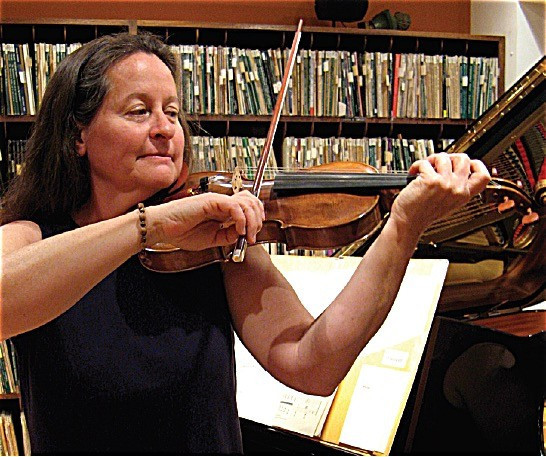
my mother’s training cuz she grew up during the depression, so every penny counts. But I didn’t bat. And I I paid um uh well, it was shillings back then when I bought my violin in Vienna. Um actually both my violins I bought in Vienna. But anyway, my my really good one I paid um I guess it would come out to $100,000. um now and I paid cash. I had saved money my whole professional career and I wanted a good violin. was saving very deliberately and carefully and and to pass over that money was
00:25:21
nothing but you know like I’ll get upset if if I you know bought the wrong kind of onions or an onion goes bad that you know that seems like it was so this big and small for me is a really interesting um I mean a therapist that I know said that it’s it’s about um the she thinks it’s about like what one can control and um you can control the tiny things. Um and the big things are sort of like larger than life in a way. And so there’s a sense of like if you can control it then you get into that if
00:26:02
you’re a controlled freak like I am you really like get into the weeds with this what what you can control like the the stain on my the counter or whatever. Um and then the really huge things like what’s happening for example in our country right now are so huge that one just has to let go uh because it’s in you know so I’m wondering that’s what I would I mean if we were going to like tweak this theme that would be what I’d be really curious to hear everybody share on like um
00:26:32
what or what is it in your experience that makes the tiny things um kind of larger than life and the really huge things um where that are way out of our control why we can go into this kind of existential calm at least um you know it is shock I guess like in an accident but there’s it’s bigger than shock I think there’s like a there’s something like behind it existentially so I mean that would be what I’d be curious about >> I want to add again about this calmness when I had almost accidents while I am
00:27:08
still in in driving for instance I’m calm but when then I get out of the car afterwards but up to this moment uh when when I’m uh asked to be um in in control you can say then all the thoughts go away you just do it’s just an a sort of intuitive way of of handling the thing but afterwards the knees are are trembling quite a bit here. So >> I think that’s that’s uh phys physiology >> that uh like as long as you have to be it’s more or less a tunnel thing. Um you you have to save lives or
00:28:05
you have to um survive then uh then you’re very like clear and decisive and and and when the peak is over then you know like it’s just too much for the body. if it doesn’t uh do flight freeze, if it doesn’t do muscular uh work or very concentrated on on something and then the whole body is just flooded and cannot cope. So when when um my parents had their 40th birth um wedding anniversary, my kids were not two um yet and they had sweet. Yeah. So they Yeah. We were there um celebrating and it was um carless and
00:29:15
so they could they could just play a little bit in front of the the restaurant and so there were no car cars where where they could be heard and so and then I came out after maybe 15 minutes or so and was what looking what they are doing and one was missing. And then I asked people around the servants, the the waiter, who whoever, “No, I haven’t seen that.” And then there was somebody coming in and said, “Oh, um, have you looked at the pond?” And I said, “What pond?” And it was like
00:29:55
100 meters over a fence. >> And and she is so fond of water. I think she she must have smelled it or something like that. And then I was like dashing there and uh and I saw her grabbing there. There were some some boulders or so. She was grabbing it and was still here in the water and I was going there with my my shoes and my you know and then I grabbed her and I even thought, “Oh, you must not wet your your fancy dress or so.” and and I grabbed her and and brought her to the to the car
00:30:42
and my husband has seen us and somebody came with a with a towel and things like that. And as soon as I gave her over to my husband, that was it. I couldn’t change the diapers. I couldn’t do anything like that. It was I was so like even not not no emotions just grabbing her and and and and later on I heard they told us that this pond was 9 m deep. So uh yeah and I think that was the day my father accepted her as granddaughter though she was not his flesh. Yeah. So this so so I think that that’s built in our
00:31:42
nature to to make sure survival can take place and then it’s like a flat tire afterwards. >> It’s like uh Go ahead. Go ahead. Go ahead. >> Automatic. It becomes like automatic as if we know instinctively and probably we do what we need to do. >> There’s no place to think about how we do it best. It’s just you just do and that’s it. >> Yeah, Gina, go ahead. >> So your your water story reminded me um uh when I was I would say very little, so I couldn’t have been more than maybe
00:32:23
three or four. And uh my grandparents had a cottage on a very fast flowing river called the French River. Very tanic, very dark and and gold. And uh I slipped on the rock. So I was by the edge, right? And because it was all rock edge and the rock was a little bit uh slimy, I slipped and I fell in the water. And I remember I can still see it as clear as day. I remember looking up. I could see the surface and I was my parents had put me in swimming lessons so I knew to do the doggy paddle. So I was very calmly
00:33:01
very calmly doggy paddling my way up to the surface not the least bit worried about being taken down the river or anything and my father jumped in and and saved me and everybody was upset except me. I was like well I was fine. I was doing the dog paddle. I was perfectly fine. And then the real crisis became his wallet had come out of his pocket and jumping in. So they had to go save the wallet because it had all their vacation money and that’s in a time when there’s no banking machines, right? So I
00:33:31
remember the laundry the laundry line had the money on it and but that calmness like I didn’t need rescuing. I was perfectly Yeah, I did. But I think there is something that it was very natural like I wasn’t thrashing. I was just doggy paddling. Come. So >> I heard this is also a method to to to teach babies to swim. Just throw them into the water and they find their way themselves, you know. So we we have an innate survival mechanism. You know, maybe as adults we have lost quite a
00:34:10
bit, but in really bad crucial situations, we seem to be able to revive these abilities. >> Doesn’t mean that I want to go there anymore, you know. >> Um, my first husband was Australia. I mean, he still is Australian, but he’s not my husband, thankfully. Um, he he he was a champion swimmer. A lot of Australians are. Um, but I mean that’s their their normal environment is the water. And um, he told me that that’s how they all all the children, at least where he grew up in Brisbane, they’re
00:34:45
all taught to swim that way. They’re just tossed into a pool. And um, they sink or swim. He proudly said that his brother um, they were both adopted, but he always said that his parents adopted his brother from the wrong pe the wrong gene pool. Um anyway, he said that when they dropped his brother in, he sank like a stone to the bottom. But when they dropped him in, um he started swimming, started doing the dog pile in intuitively. >> Um anyway, that could all be just a tall tale. But um what was I going to say? Oh
00:35:18
yeah. I I when I was in Nepal, I had um I I got very very sick and um they went through a million different tests and finally did a spinal tap and found out I had viral encphilitis and the doctor came in. I was in this big ward in Kandu, you know, with like 25 people and no no running water, no sewage, like the the real deal. And the doctor came in, I think he was English. Um, and he said, “Uh, we just have the results of the spinal tap. Uh, you have viral encphilitis. In the next 24 hours, you
00:35:54
will live or die. Um, there’s no med no treatment.” And it was a Friday, so he left to go golfing for the weekend or whatever. And there I was lying in this bed with all this chaos around me. And I remember, you know, it was a death sentence basically. I mean, as far as I could tell, who who knew I was going to survive? And I looked out the window. Um, there’s a huge window that was open and saw the rice patties and suddenly had this incredible feeling of peace and calm and and I I I
00:36:32
thought of that psalm, the famous psalm, I lift up my eyes unto the hills from whence cometh my help. And I just it was the most beautiful. I still remember I just just now just saying that I got a chill in my body cuz I still can remember that moment this moment of um okay this might be my time and I was only 20 years old so I wasn’t very old but the peace was I’ve I’ve I mean I try to actually remember that when I get all anxious and frightened because in in that moment of crisis and I think that’s
00:37:04
like that moment that of shock too where it’s you’re you sort it’s out of body and you see the big sort of existential picture and um it was in some ways it was the most beautiful moment of my life which is kind of ironic but but it was a real a very powerful experience and then 24 hours later I did go back into the into the early burly of the the the what do you call them? First helpers or first >> responders? professor um from the the ambulance. It was as if I was in their living room.
00:38:04
They were so calm, friendly, uh, explaining everything and even laughing with me, not just among themselves, but like it was so you you didn’t feel the emergency. It was not like emergency room. It was so really friendly people and professional at the same time. And so I think there is some training. There can be some training. bit. Yeah. Sometimes it’s it’s like when you’re really in an existential thing if something happens that you were afraid of and then it happens, what do you have
00:39:03
to be afraid of anymore? It’s like, okay. Yeah. Even the question why was I so afraid sometimes not afterwards it doesn’t come in this moment but >> that’s actually what what I hope what will be happening when dying when being afraid of dying that when the right moment is there because a friend of mine died last week I think >> I might have shared it So my hope is that when the time comes that this calmness will be there and not the angels uh being afraid some people stay afraid until the last
00:39:57
moment I have heard you know but most people get calm so let’s hope we are among them >> that’s what they call a happy death. >> Mhm. >> I think a lot of the fear of death comes from not knowing when and how. If we could all be told by God, you know, it’s you’re just going to die quietly in your bed, surrounded by your family and friends, I think we wouldn’t have as much fear as we do. But we don’t know. It could be anything any time, any under any circumstances. And so I think a lot
00:40:37
of the fear comes from that. and not from the actual fear of the experience of death itself but rather the context. As for the experience of death, I think I have told you in some other time about three years ago, I had an experience, an induced experience which the therapist called a near-death experience. And it was so beautiful, so absolutely incredible. If this is death, >> good. Good. what I experienced with my parents, they were so different in dying. Um, I’ve felt like it could be what you
00:41:31
said, Victoria, but with him it was mostly um, yeah, it was one part was leaving mom alone, but also he knew what he did. in his life. So um and I was talking to him and I I told him that it was not okay to abuse his daughters. But um he doesn’t have to be afraid of hell. So the angels will what do you call they will be aligned and and welcome you and and so he could come down and we take care of mom and so it was like he he could but it was for days that was really trembling and he was so afraid of the
00:42:31
last judgment or what do you call it. Yeah. And um and my mom, she was I felt like I could see how my dad fell in love with her when she was small. Uh yeah. young and she’s so sweet and and so like even accepting she had a stenosis so so she could hardly breathe and everything could lead to an heart attack right away and and then she was like and I said oh mom how can I support you and said oh it is like it is so and then she faded away very softly and a shaman was um like checking in and and he said,
00:43:23
“Oh, I’ve never seen that. She’s skipping into the light. No detour, nothing.” So just Yeah. And I think my father different really different. And for me it’s it’s since I saw my mom, I’m not afraid of death or dying, but of pain like that. It’s a painful thing. It must not be I mean it can not necessarily it is painful. There are people who just go to sleep and don’t have illnesses with huge pain before. So, so we ended up with dying. Can we uh maybe get some news about uh being
00:44:30
reborn or born or end with a more allegro note. some good news to share what you will be expecting and good things. We can use this as a checkout. >> Suddenly I thought of au libraine that there’s there’s something cheerful about looking at everything and seeing it’s it’s all Alice is h I mean there’s >> everything’s gone. >> Yeah. It just popped into my head suddenly. I thought I thought it can only you can only laugh sort of when you see look at it from that’s one of the
00:45:12
things I love about about the vianese is the this kind of like like looking at life from up here with it with humor that in spite of everything there’s a kind of um I don’t know it’s I like it better than equinimity. Equinimity is good and important, but I I almost uh there’s something about the humor that it’s like the Hungarian like all my main violin teachers were Hungarian and they had the what you know is called black humor that that it just it at first it was shocking to me but
00:45:47
then I kind of got to appreciate it because this sense that and then nothing nothing even death itself you just laugh in the face of death. There’s something something reassuring about that. Okay, that’s my check out. I’ll start singing in a minute. >> Victoria just inspired me uh to a memory of Harry Potter. Um where they learn the spell ridiculous to laugh at what they are most afraid of to laugh at and this changes it. And uh and that was a very impressive scene. Uh of course there are some things
00:46:31
that would overwhelm you when you are not ready yet. That was a very interesting uh interesting scene. And so maybe we just laugh at what makes us most afraid. That’s my check out. Thank you. I don’t think I have a a real check out but I would say that one of the things that I have used when people are stressed or is we is that that humor and even in severe circumstances finding something to laugh about even when it doesn’t seem to fit and I think that happens in all sorts of stressful
00:47:19
things whether it’s death or thought. But I think I think it’s interesting that there there is a place for humor and and how it is like that calmness. It maybe it’s the bridge to the calm, but so what and on a happier note at least we’re having a little chuckle about how humor can maybe ease fear. That’s it for me. In one of my trainings, we learned Oh, yeah. We said turn on the volume. So if you’re complaining about something and then you exaggerate it and make it even bigger and more and more till you find
00:48:01
the like the ridiculousness in it. So all men are bad because I had one bad experience with somebody and say, “Yeah, you’re right.” and you know the others chime in and and and you just turn on till your head doesn’t believe you anymore and and you start laughing. Yeah. So I like that a lot >> coming back to what Victoria said. No, the more you are able to see from far away this what with which you are struggling, the more you can be detached and even be humorous about it, even love
00:48:50
it. What did you what is it? What why are you so concerned? It’s just not peanuts from when you see it from above. That’s really >> Yeah, >> really nice. I like that. >> I have a suggestion for next time. >> Go ahead. Yeah, that I give you the the practices that I put in a German. I can send you the German or in our I can send the German version. Um, yeah. And it’s it’s like how to lower adrenaline, how to increase oxytocin and endorphins. So, That would be really
00:49:38
>> Yeah, it takes um five minutes. It’s not I mean it’s >> So I write that down. Get right. How do you call the exercise? >> Uh triggered what to do. >> Okay, good. Yeah, thank you ladies and I wish that you can really recover everything and all the tension and that will be going it will be gone and that’s >> I’m so glad that you >> and yeah I’m I’m happy to see you ladies by >> see you take care bye >> take here. And








Leave A Comment